The Camino de Santiago by bike is the fastest, most flexible way to reach the cathedral of Santiago de Compostela without giving up a single one of the route’s landscapes, villages or stamps. Where a walker covers 20–25 km a day, a cyclist comfortably rides 40–60 km at a relaxed, sightseeing pace — which means you can complete the same itinerary in roughly half the time, or ride further and see more in the days you have. You still earn your Compostela, you still sleep in the same pilgrim towns, and you arrive with energy to spare.
Prefer pedal-assist? See our electric bike rental for the Camino de Santiago.
Leaning towards the Portuguese route? Read our guide to cycling the Portuguese Camino.
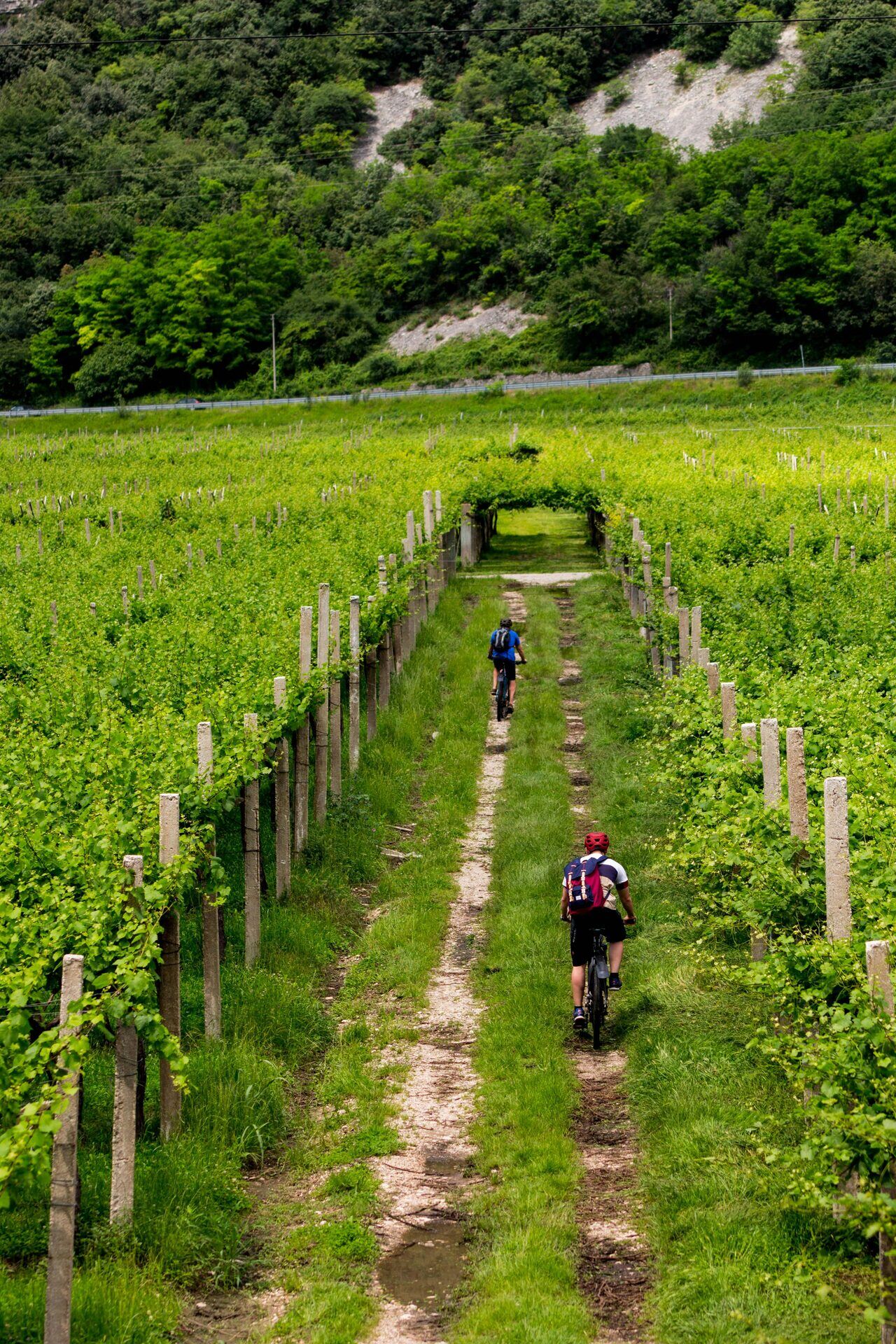
This is the complete guide to cycling the Camino de Santiago: the routes that work best on two wheels, how many days each one takes, which bike to choose, and exactly what is included when you rent with Tournride. We are a bike-rental company, not a tour operator — you ride self-guided, at your own pace, and we take care of the bike, the logistics and the support behind the scenes. We deliver across Spain and Portugal and pick the bike up wherever you finish, so all you have to think about is the road ahead.
Not sure whether to book a guided tour or rent and ride on your own? Read our honest comparison: guided bike tour vs self-guided rental.
Below you’ll find everything you need to plan your ride. Use the links to jump to the route guides, day-by-day itineraries and bike comparisons, or scroll straight to the booking form when you’re ready.
Camino routes by bike: which one is right for you?
There is no single Camino. There are several historic routes to Santiago, each with its own character, terrain and ideal length. All of them can be ridden by bike, and Tournride delivers to every one of them. Here are the five we know best.
Camino routes by bike compared
| Route | Distance by bike | Typical days | Terrain & difficulty | Best season |
|---|---|---|---|---|
| Camino Francés | ~769 km (SJPP → Santiago) | 11–14 | Varied — Pyrenees, Meseta, Galician hills · moderate | Spring / autumn |
| Camino Portugués | ~240 km (Porto) / ~620 km (Lisbon) | 4–6 / 9–12 | Gentle, warm, rolling · easy–moderate | Spring–autumn (coastal in summer) |
| Camino del Norte | ~825 km (Irún → Santiago) | 12–15 | Coastal, constant climbs · hard | Late spring / summer |
| Camino Primitivo | ~320 km (Oviedo → Santiago) | 5–7 | Mountainous, remote · very hard | Summer |
| Finisterrana + Muxiana | ~90 km (Santiago → Fisterra/Muxía) | 2–3 | Atlantic coast · moderate | Spring–autumn |
By bike you must ride the last 200 km for the Compostela — on the French Way that’s roughly Ponferrada → Santiago; on the Portuguese Way, Porto → Santiago (walkers need only 100 km).
Camino Francés (French Way)
The most popular and best-signposted route, and the most complete to ride by bike: roughly 769 km of net pedalling from Saint-Jean-Pied-de-Port, over the Pyrenees and across northern Spain to Santiago. Most cyclists ride it in 11–14 days, crossing Navarra’s vineyards, the wide Castilian Meseta, the mountains of León and the green hills of Galicia. If it’s your first Camino, this is the one. See our French Way planning hub, the full table of the 14 stages with distances and elevation, and the day-by-day 14-day itinerary or shorter 6-day option.
Camino Portugués (Portuguese Way)
The second-most-travelled route and a favourite for a first long ride: gentler terrain, warmer weather and a beautiful run up the Atlantic from Lisbon or Porto. The Central and Coastal variants both lead to Santiago, and Porto makes a perfect, easy-to-reach starting point. See our guide to e-bike rental from Porto to plan the Portuguese Way.
Camino del Norte (Northern Way)
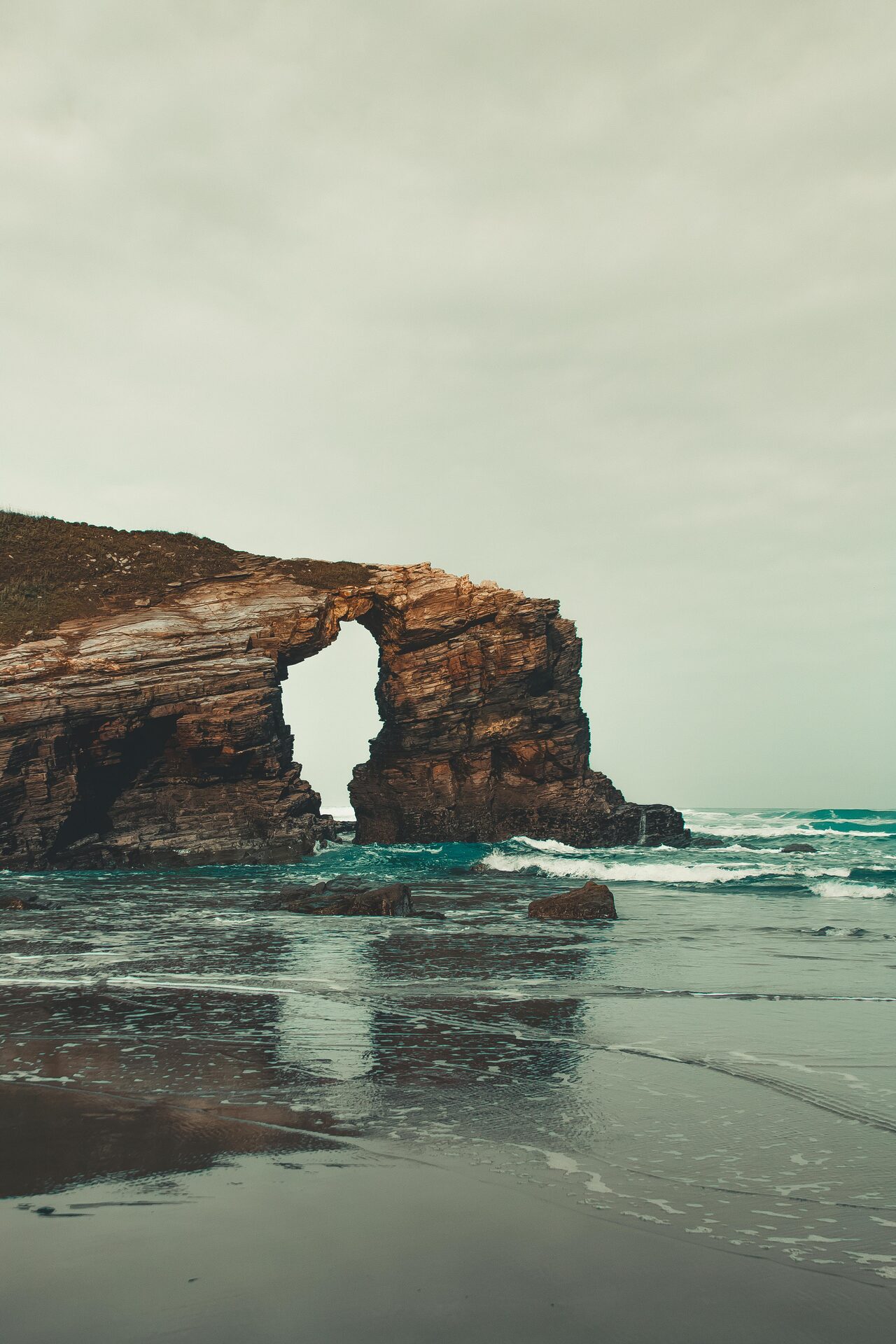
The coastal route, following the Bay of Biscay through the Basque Country, Cantabria, Asturias and Galicia. It’s more demanding — there’s constant up and down between sea and headland — but the reward is some of the most spectacular scenery on any Camino, from fishing harbours to the rock arches of the Playa de las Catedrales. A strong choice for confident riders, and a route where an e-bike really earns its keep.
Camino Primitivo (Original Way)
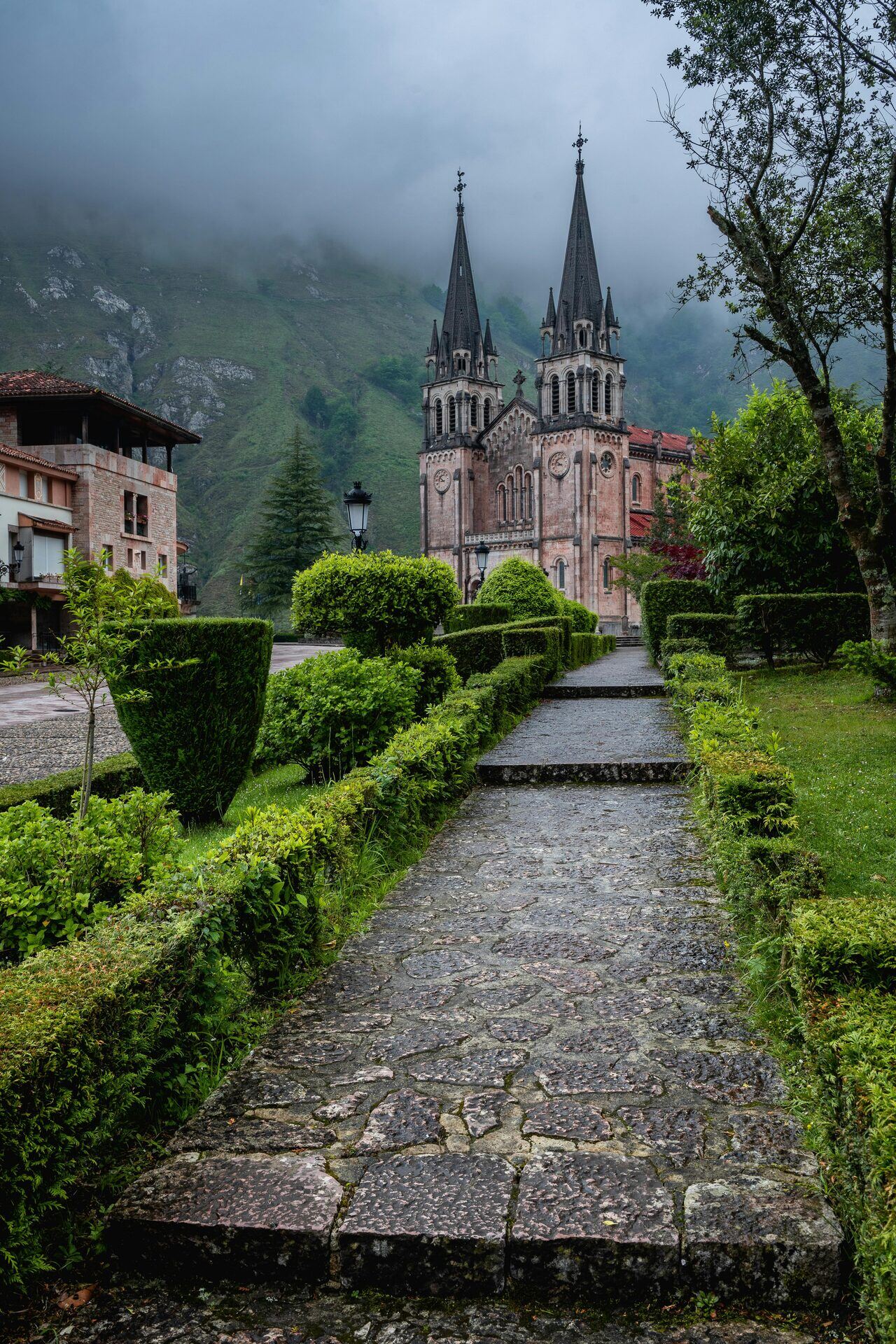
The oldest route of all, and the most mountainous — the path the first pilgrims took from Oviedo through the highlands of Asturias before joining the French Way in Galicia. It’s tough, quiet and deeply atmospheric, passing close to landmarks like Covadonga and the Picos de Europa. For fit cyclists looking for the authentic, wilder Camino, the Primitivo is unbeatable. An e-bike makes its long climbs much more manageable.
Read our full route guide to cycling the Camino Primitivo.
Finisterrana & Muxiana (Santiago to the End of the World)
The Camino doesn’t have to end at the Obradoiro square. The Finisterrana continues west from Santiago to Cape Finisterre — the “End of the World” — and the Muxiana extends it along the wild Costa da Morte to Muxía. It’s the perfect two-to-three-day coda to any Camino, ending where land, ocean and legend meet. Read our guides to the Finisterrana route by bike and the Fisterra-to-Muxía Muxiana route. Looking for something off the beaten track? Explore the 9 lesser-known Caminos by bike.
How many days do you need to cycle the Camino?
The honest answer: as many as you have. Because cyclists cover roughly double a walker’s daily distance, even a single week is enough for a memorable Camino. Some rough guides:
- The full French Way (Saint-Jean-Pied-de-Port → Santiago, ~769 km): 11–14 days at a comfortable pace. See the 14-day stage-by-stage itinerary.
- A one-week Camino: ride the final third (for example León or Ponferrada to Santiago) in about 6 days and still qualify for the Compostela.
- The minimum for the Compostela: you must cycle at least the last 200 km into Santiago — Ponferrada to Santiago on the French Way is the classic choice — getting your credencial (pilgrim passport) stamped at the start and end of each stage, with the date.
Don’t set yourself unrealistic goals. Stages that are too long — however fit you are, and however electric your bike — mean many hours in the saddle and can turn the trip into a frustrating one. Ride fewer hours and actually enjoy it: this is sightseeing, not a race. (The Tour de France is the next country up 🙂.)
Whatever your window, we’ll help you pick a start point that fits your dates and fitness — and we deliver the bike there.
Walking vs cycling the Camino: what’s the difference?
The pilgrimage is the same; the rhythm is different. On foot you live the Camino slowly, one footstep at a time, but you’re limited to around 20–25 km a day and the full French Way takes a month or more. By bike you cover the same ground in roughly half the time, reach parts of the route a walker would need weeks to see, and finish each day with energy left for the village square, the food and the people — which, for many, is the real Camino.
Cycling does ask a little more route awareness: on the busiest off-road sections the official path can be narrow or technical, so cyclists often take the marked bike-friendly alternatives or quiet parallel roads. None of this is complicated — the routes are well documented and we’ll point you to the right option for your bike and confidence level.
Earning your Compostela by bike
The Compostela is the official certificate of completion issued by the Pilgrim’s Office in Santiago. To earn it by bike you must ride at least the last 200 km into Santiago (walkers need only 100 km) and get your credencial, or pilgrim passport, stamped at the start and end of each stage, with the date — at albergues, churches, cafés or town halls along the way. On the French Way, the usual starting point to cover the requirement is Ponferrada; on the Portuguese Way, it’s Porto (Tui and Valença fall short — only ~115 km, the walking minimum, not the cycling one).
Pick up your credencial before you start (we can advise where), get it stamped as you ride, and present it at the Pilgrim’s Office on arrival. It’s a small ritual that turns a bike ride into a genuine pilgrimage.
Bike rental for the Camino: which bike should you choose?
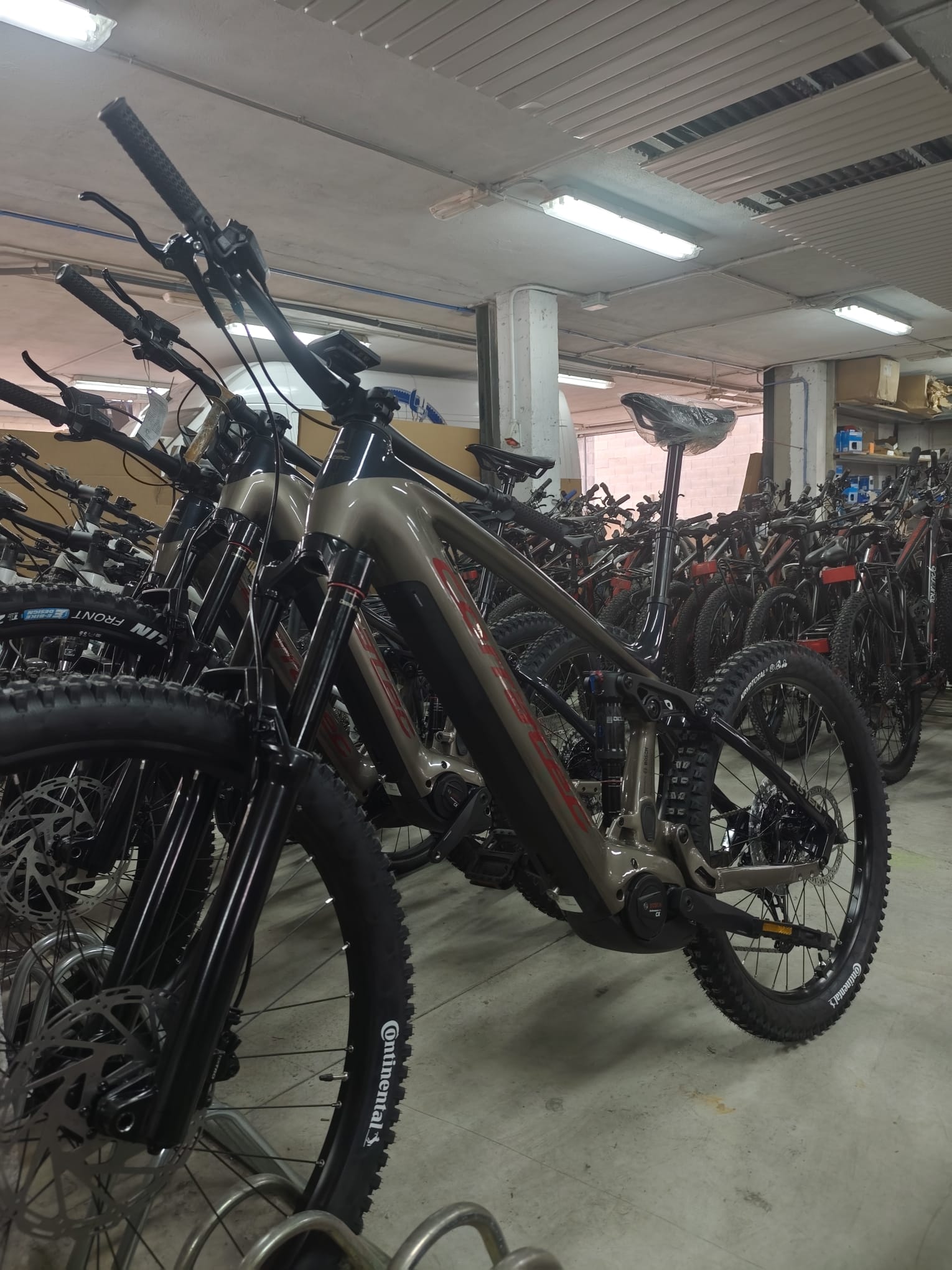
The right bike depends on the route, the terrain and your own fitness. Tournride maintains its own large fleet — premium MTB, gravel and e-bikes from BH, MMR, Yamaha and Corratec, chosen for the mixed surfaces of the Camino in Spain and Portugal and fully serviced before every rental. You can browse every model, with full specs and daily prices, on our Camino de Santiago bike rental page.
- Mountain bike (MTB): the most versatile option for the Camino’s mixed terrain — confident on tracks, climbs and descents alike. Ideal if you want the classic, do-anything Camino bike.
- E-bike (electric): the same capable bike with pedal assistance that flattens the hardest climbs. Perfect for the mountainous Norte and Primitivo, for riding with a group of mixed fitness, or simply for enjoying the ride without the suffering. Our most popular choice.
Not sure whether to go electric? Read our comparison of electric bike vs. traditional bike for the Camino. Every bike comes fully equipped and Camino-ready, and is cleaned and serviced between rentals — see how we prepare every bike.
What’s included: Tournride Full Assistance
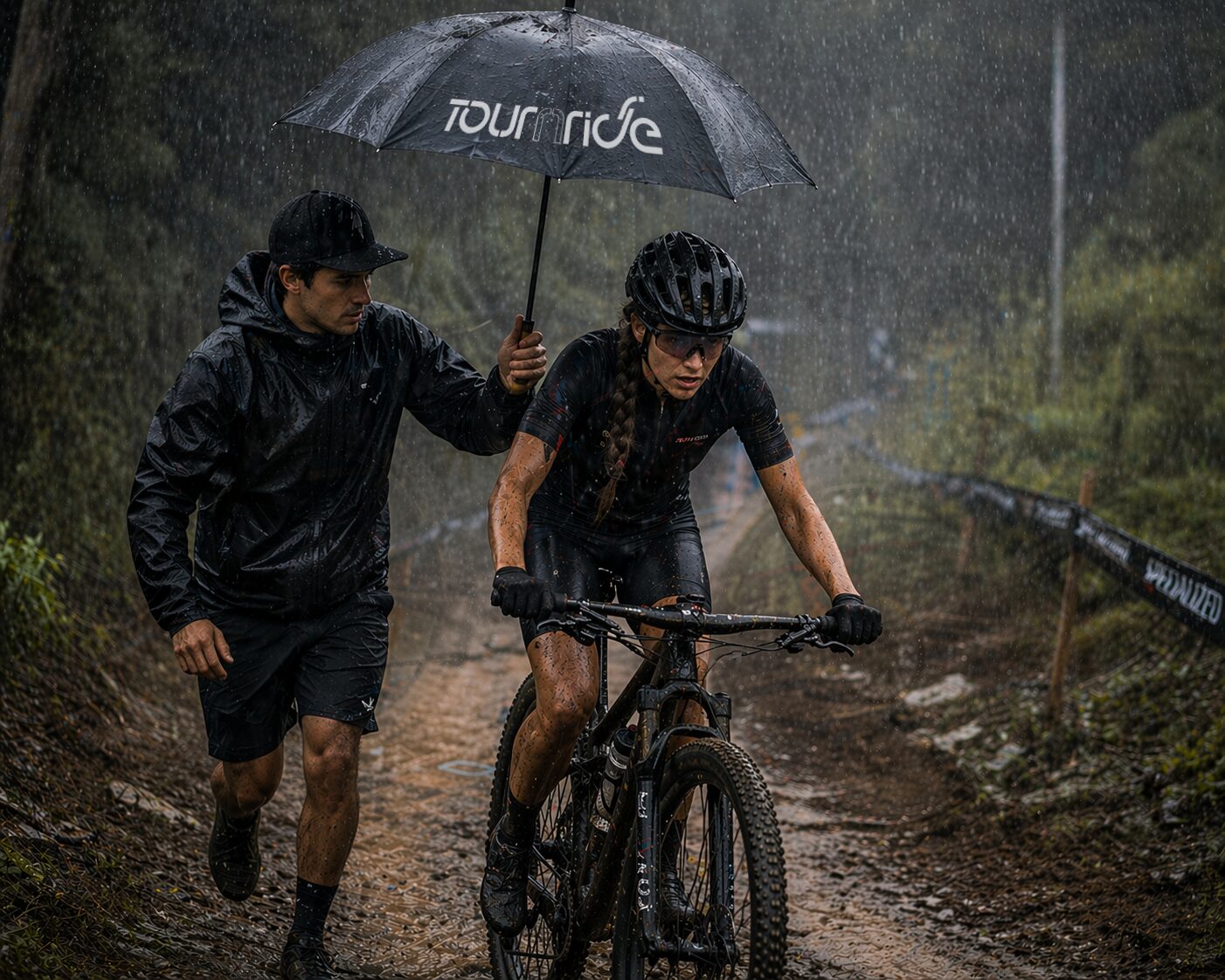
Renting with Tournride is more than picking up a bike. Every rental includes Tournride Full Assistance (TFA): business-hours mechanical support along the route — if your bike breaks down we coordinate transport and repair at our cost and, if it were ever truly necessary, we would arrange a replacement bike as quickly as possible, depending on the circumstances. Until 31 December 2026 the TFA is free with every booking.
- Delivery and collection anywhere in Spain and Portugal — we bring the bike to your chosen start point and pick it up wherever you finish.
- No deposit required — no hold on your card. Payment is made in advance; the exact schedule is set out in our terms of service.
- On-the-road support during business hours, so help is a phone call away if anything goes wrong with the bike.
- One-way luggage transfer: leave your big suitcase with us at the start and we bring it to your final destination, where it will be waiting — so you ride carrying only what fits in the panniers. For luggage transfers between stages, local services such as Jacotrans, TransferTaxi or Taxicamino cover the different routes.
- A fully equipped, serviced bike with the accessories you need for the Camino.
Planning what to pack? See our guide to what to carry in your panniers for the Camino, our 7 tips for cycling the Camino, and the 6 types of accommodation along the way.
How it works: book your Camino bike in 3 steps
- Choose your route and dates. Tell us where you want to start and finish and when. Not sure? We’ll advise based on your time and fitness.
- Pick your bike. Standard mountain bike or e-bike, in your size, with the equipment you need.
- We deliver, you ride. Your bike is waiting at your start point; you pedal your Camino self-guided; we collect it at the finish. The minimum rental is 4 days when we ship the bike to you (the same for standard bikes and e-bikes).
Frequently asked questions
Can you cycle the Camino de Santiago?
Yes. Cycling has been a recognised way of completing the Camino for decades, and thousands of “biciperegrinos” (bike pilgrims) ride to Santiago every year. You follow the same waymarked routes as walkers (with bike-friendly alternatives on the toughest off-road sections), earn the same Compostela by riding the last 200 km, and stay in the same pilgrim accommodation.
How long does it take to cycle the Camino de Santiago?
The full French Way (about 769 km) takes most cyclists 11–14 days. If you have less time, riding the last 200–300 km into Santiago takes around 5–7 days and still qualifies for the Compostela. Cyclists typically cover 40–60 km per day at a relaxed, sightseeing pace, roughly double a walker’s distance — this is about touring, not racing.
When is the best time of year to cycle the Camino?
Spring and autumn are ideal for any route: mild temperatures, long daylight and fewer crowds than the July–August peak. In summer the interior — and especially the Meseta — gets very hot, so it’s the season to pick a coastal route like the Camino del Norte or the coastal Portuguese Way, where the Atlantic keeps things milder. Winter is quiet but cold and wet, especially in the mountains and Galicia. The peninsula’s sheer variety of climate means there’s almost always a good Camino to ride.
E-bike or mountain bike — which should I rent?
Choose an e-bike if you’re riding a mountainous route (Norte or Primitivo), travelling with a group of mixed fitness, or simply want to enjoy the scenery without the hardest climbs — it’s our most popular option. Choose a standard mountain bike if you’re a fit, experienced rider who enjoys the physical challenge. Both handle the Camino’s mixed terrain well.
Do I need to train before cycling the Camino?
A little preparation helps, but you don’t need to be an athlete. If you can ride comfortably for a few hours, you can cycle the Camino — especially on an e-bike. A few longer rides in the weeks before you travel will make the daily distances feel easy and let you enjoy the route rather than endure it.
What happens if the bike breaks down?
Every Tournride rental includes Tournride Full Assistance: if you have a mechanical problem, call us during business hours and we coordinate transport and repair at our cost and, if it were ever truly necessary, we would arrange a replacement bike as quickly as possible, depending on the circumstances. Our bikes are fully serviced before every rental to keep problems to a minimum. See full rental details and the fleet.
Sharing the Camino: a few words for cyclists
The Camino belongs to everyone on it. A good biciperegrino announces themselves with a friendly “¡Buen Camino!” or a bell before overtaking, slows right down around walkers, and gives way on narrow or technical stretches. Ride at a sensible speed on descents and through villages, and remember that the warmth you’ll be met with on the route is the same warmth you’re expected to give. It costs nothing and it’s the heart of the whole experience.
Ready to ride? Book your Camino bike
Tell us your route and dates and we’ll have a bike waiting for you at the start of your Camino — anywhere in Spain or Portugal, with no deposit and full assistance from the first pedal stroke to the Obradoiro.
Discover our sustainability commitment too: biodegradable cleaning, our own workshop and circular economy.