
EuroVelo 1: Atlantic Coast by Bike from Algarve to Finisterre
Tournride TeamOn 28 April 2026, Galicia opened 537 kilometres of EuroVelo 1 (the Atlantic Coast Route), creating for the first time a continuous cycling itinerary between the southern tip of Portugal’s Algarve and Cabo Finisterre. The route already existed in Portugal — 30 signed stages from Vila Real de Santo António to Valença — and now extends with 10 new Galician stages that cross into Spain at Tui, follow the Atlantic coastline, and end at the Finisterre lighthouse.
The result is one of Europe’s most complete coastal cycling routes: 40 stages along the Iberian Atlantic, almost entirely on greenways, cycle paths, and quiet signed roads. In this guide we explain how the route is organised, which stages deserve special planning, which bike to pick, and most importantly: you don’t need to start and finish at the extremes. We deliver the e-bike to your accommodation anywhere along the route — from Lisbon and the Algarve, through Porto and Valença, up to Vigo, Santiago or Finisterre — and pick it up at a different point when you finish.

The full Iberian route in numbers
EuroVelo 1 spans nine European countries from North Cape (Norway) to Sagres (Portugal). The Iberian section we care about, now complete, breaks down into four geographical blocks:
- Algarve and Alentejo coast — Vila Real de Santo António to Sines, via Faro, Olhão, Sagres, and Cabo de São Vicente. Beaches, cliffs, and the white villages of southern Portugal.
- Estremadura and Lisbon — Sines to Setúbal and Lisbon. Crosses the Tagus estuary, the wild Costa Vicentina, and skirts Cascais and Sintra.
- Central and northern Portugal — Lisbon to Valença, via Coimbra, Aveiro, Porto and Viana do Castelo to the Minho river border.
- Atlantic Galicia (new) — Tui to Finisterre. Ten coastal stages crossing the Rías Baixas (Vigo, Pontevedra, Cambados, Noia) and ending on the Costa da Morte at the Finisterre lighthouse.
Total distance is around 1,700 kilometres, and a realistic cycle-touring pace is 30 to 45 days if you do the whole thing. Most riders break it into blocks: a week in the Algarve, another from Lisbon to Porto, another from the border to Finisterre. It’s a long-tail route — designed to be returned to, not finished in one go.
Five stages you can’t miss
Out of the 40 stages, five stand out. If you have to pick a long weekend or a short week, these are our recommendations.
1. Faro to Cabo de São Vicente — the wild south
Three stages hugging the Algarve coast, with short detours to hidden beaches between the cliffs (Praia da Marinha, Benagil) and a finale at Europe’s south-westernmost lighthouse. Gentle profile, prevailing wind from the west — easier east-to-west than the other way. Great entry point for e-bike beginners.
2. Lisbon to Setúbal — crossing the Tagus
The most urban and photogenic stage of the central block. It starts in central Lisbon, crosses the Tagus by ferry to Cacilhas (bikes are welcome at no extra cost), runs along the Serra da Arrábida, and drops down to Setúbal facing the Sado estuary. Short but intense day. Tip: an early ferry skips the suspension-bridge queue.
3. Porto to Viana do Castelo — the green north
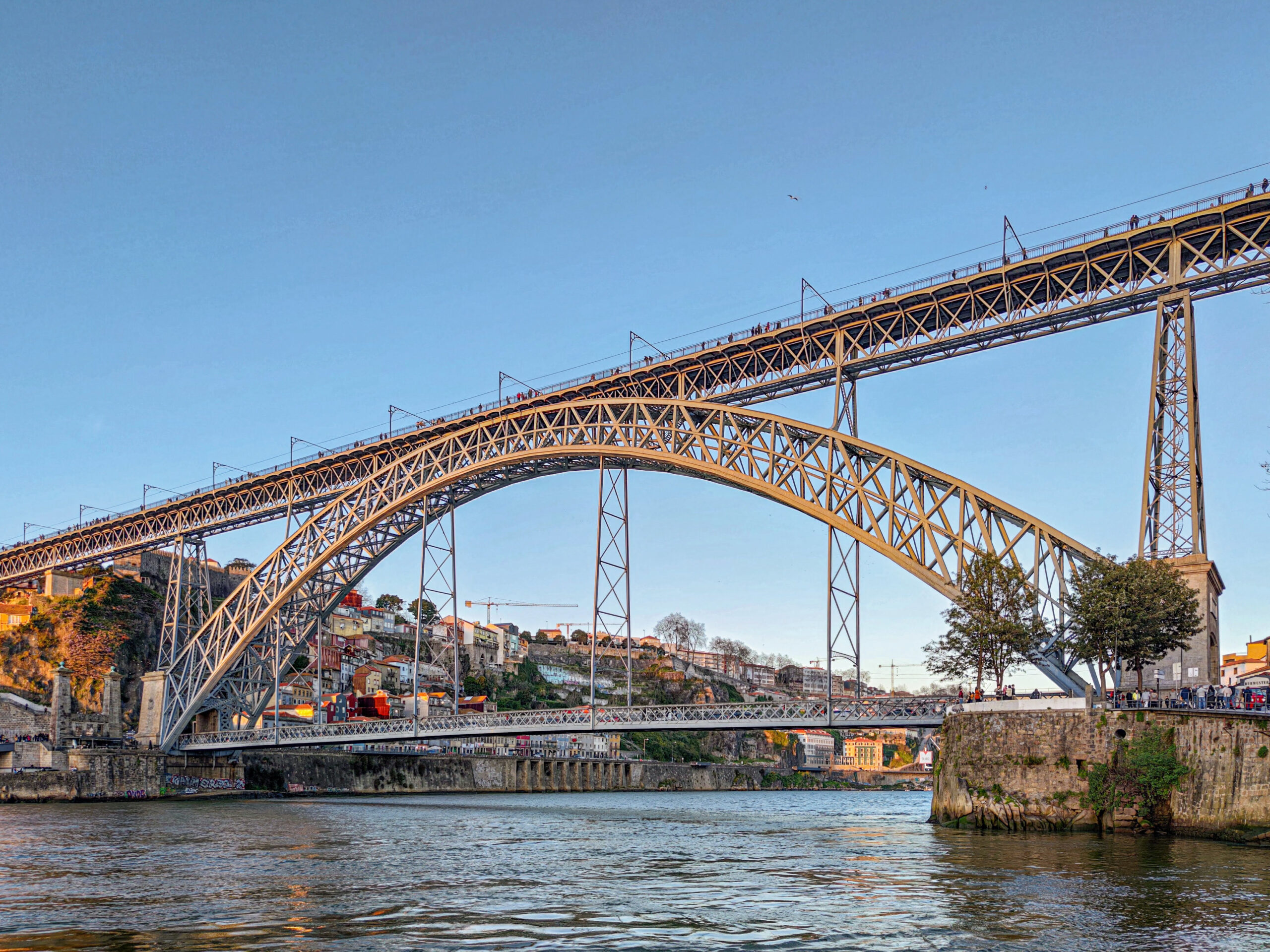
Departure from Cais da Ribeira over the Don Luis I Bridge, then north along the Atlantic to Viana, passing Vila do Conde and Esposende. Continuous bike lane for most of the route. If you’re only doing the northern Portuguese block, don’t skip this one: vinho verde wineries, fresh seafood, and a swim at Praia de Moledo near the end.
4. Valença to Vigo — the new Atlantic crossing
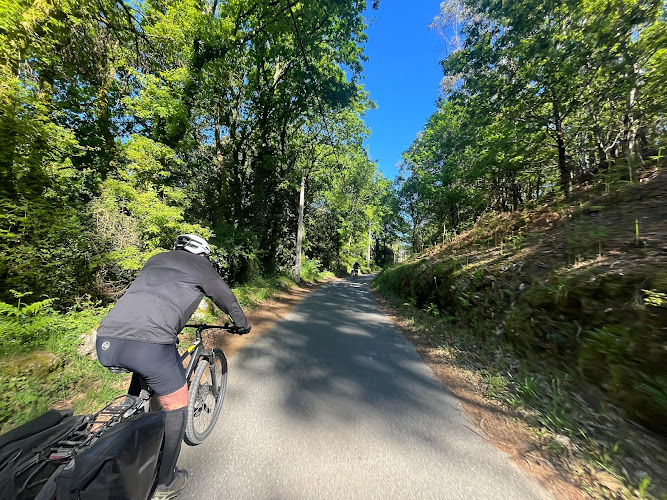
The big news of 2026. You cross the Minho river over the Valença–Tui international bridge (pedestrian, no traffic) and enter Galicia on the first of the ten new Galician stages. From the border to Vigo it’s just 50 km along the Minho riverside path and the Atlantic coastline. Newly signed as EuroVelo 1 with the blue panels installed by Turismo de Galicia and the EuroVelo Galicia network.
5. A Coruña to Finisterre — the Atlantic finale
Four final stages along the Costa da Morte, one of the wildest and most beautiful stretches of Atlantic Europe. You pass Razo beach, Camariñas, Muxía, and finish at the Finisterre lighthouse: the “end of the world” where pilgrims used to burn their clothes. The toughest block in terms of wind and accumulated climbing, but also the most memorable.
Muscular bike or e-bike?
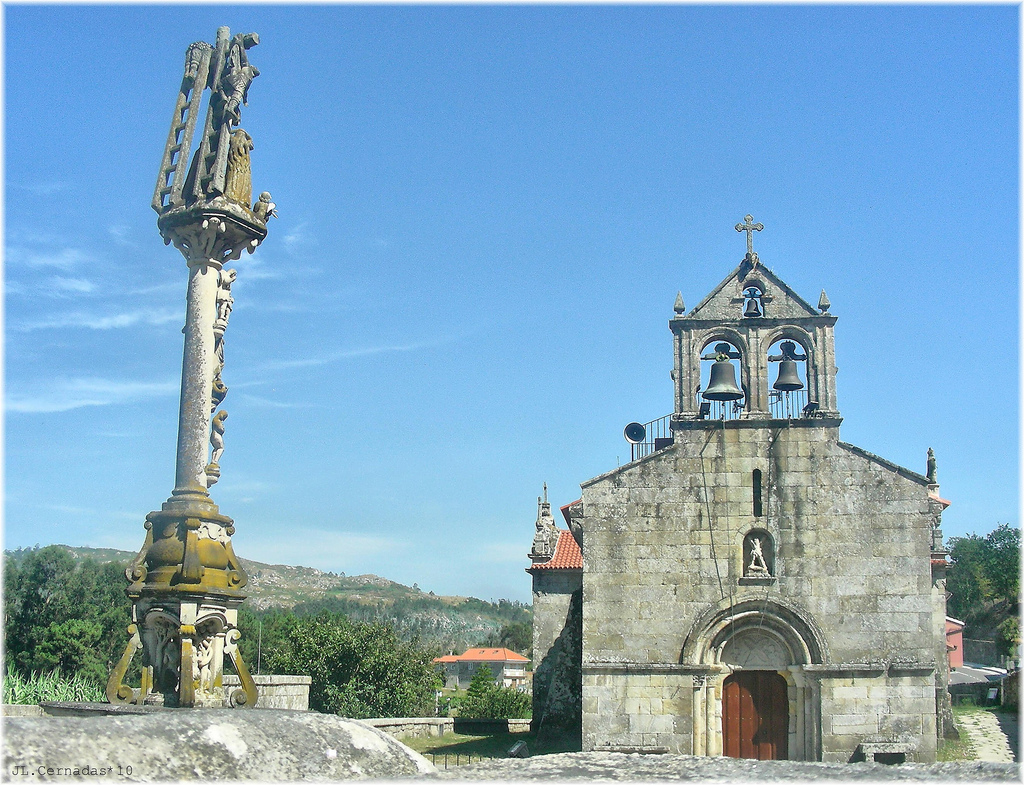
It depends a lot on the block you pick. The southern Portuguese coast is relatively flat, but the prevailing west wind is constant. Northern Portugal and especially the Galician section pile on serious accumulated climbing: every estuary means small ups and downs along the cliffs. If you’re tackling the full EuroVelo 1 or any block that includes Atlantic Galicia, an e-bike makes the difference between enjoying it and suffering.
For this route we offer four models to choose from depending on your profile:
- Yamaha Crosscore RC — urban-trekking, the most versatile choice for flat sections and greenways (Algarve, Alentejo coast, Minho riverside).
- BH AtomE Jet Pro — very touring-oriented, with a 720 Wh battery and Shimano EP6 motor. The comfortable choice if you want to chain long stages on tarmac and greenways without worrying about the battery.
- Yamaha Wabash Gravel RT — gravel/adventure, ideal if you plan to combine the EuroVelo with off-road detours along the Costa Vicentina or the Costa da Morte.
- MMR Koen 00 — built for wandering off: if you feel like escaping onto rural tracks and inland trails, this is your bike (Bosch Performance CX, 12-speed, Rock Shox fork).
We don’t guarantee a specific range per charge: real autonomy depends a lot on weight, wind, stage profile and the level of assist you use. Our recommendation is to plan comfortable stages — not too long — so you can enjoy the route without spending the day watching the battery level.
Start and finish where you want: the logistics
This is what sets Tournride apart from a local bike rental: you don’t need to return the bike where you picked it up. We deliver the e-bike directly to your accommodation (provided it accepts deliveries) or to one of our local partners, and we pick it up at a different point when you finish. We do not deliver to airports, stations or other public places.
Logistics coverage is not uniform across the Iberian EuroVelo 1. Here’s where we stand today:
- Atlantic Galicia (Vigo, Santiago, Costa da Morte, Finisterre) — maximum flexibility: Santiago is our physical hub and we have a network of partners across the region.
- Northern Portugal (Porto, Viana do Castelo, Valença / Tui) — recurring operations: regular clients starting in Porto or crossing into Galicia at Valença.
- Central Portugal and Lisbon — operating regularly, with deliveries confirmed case by case to the client’s accommodation.
- Algarve and Alentejo coast — occasional service since 2025: we don’t have local partners in southern Portugal yet, so delivery depends on whether your accommodation accepts it. Contact us before booking to confirm logistics for your dates and area.
The service includes delivery, pickup, and Tournride Full Assistance (free technical and mechanical roadside support). If your point isn’t on the list (Aveiro, Pontevedra, Camariñas, etc.), get in touch: in most areas we can find a solution, but we confirm before the booking.
EuroVelo 1 vs the Camino de Santiago by bike
There’s partial overlap between EuroVelo 1 and the Portuguese Coastal Way of the Camino: both run between Porto and Santiago along the Atlantic, and the two routes share signage on parts of the northern Portuguese coastline. But they have different purposes:
- EuroVelo 1 is coastal cycle-touring: always follows the Atlantic, avoids the interior, and stays close to the beaches.
- Camino Portugués is pilgrimage: aims for the cathedral of Santiago, not Finisterre; large parts go through inland; you share the path with walking pilgrims.
If your goal is the Compostela (the official pilgrim certificate from the cathedral), the right route is the Camino Portugués. If what you want is to ride along the sea and discover the Iberian Atlantic without obsessing over the cathedral, EuroVelo 1 is your route.
Frequently asked questions
Is the entire Iberian EuroVelo 1 signed?
The Portuguese section (30 stages, Vila Real Santo António to Valença) has been signed for years as the “Rota da Costa Atlântica”. The Galician section (10 new stages, Tui to Finisterre) opened on 28 April 2026 with new signage installed by Turismo de Galicia and EuroVelo Galicia. Cycling continuity between both countries is now complete.
How long does the full route take?
30 to 45 days for the roughly 1,700 km, depending on level and rest days. Most cyclists split it into one- or two-week blocks across several years. Riding it in one go is for experienced touring riders with time and planning.
Can I do it on an e-bike?
Yes — and we recommend it for any block including central/northern Portugal or the Galician section: the accumulated climbing and Atlantic wind make e-bikes the comfortable option. We don’t guarantee a specific range per charge (autonomy depends on weight, wind, profile and assist level), so it’s best to plan comfortable stages and not worry about the battery. Route accommodations are used to providing a socket for overnight charging.
Do I need to bring my own bike?
No. Tournride delivers bikes (electric or muscular) to your accommodation or to one of our local partners and picks them up at a different point when you finish. Coverage is strongest in Galicia (Santiago, Costa da Morte, Finisterre) and northern Portugal (Porto, Valença); we also operate in central Portugal, Lisbon and the Algarve on a case-by-case basis. You skip the hassle of boxing your bike, flying with it, and reassembling it on arrival.
When is the best time of year?
April to June and September to October. Summer in the Algarve is very touristy and hot; winter in northern Galicia brings rain and strong Atlantic wind. Shoulder seasons give the best balance of temperature, rainfall, and accommodation availability.
Related resources
- Camino de Santiago Pilgrim Guide by Bike — if you combine EuroVelo with a pilgrimage section.
- Yamaha Crosscore RC — the e-bike we recommend for mixed urban and coastal blocks.
- Tournride Full Assistance — free technical roadside support included with all 2026 bookings.


